Report: Most Americans Are Losing Free Time
By Neal Taparia - Published: 07/20/2026
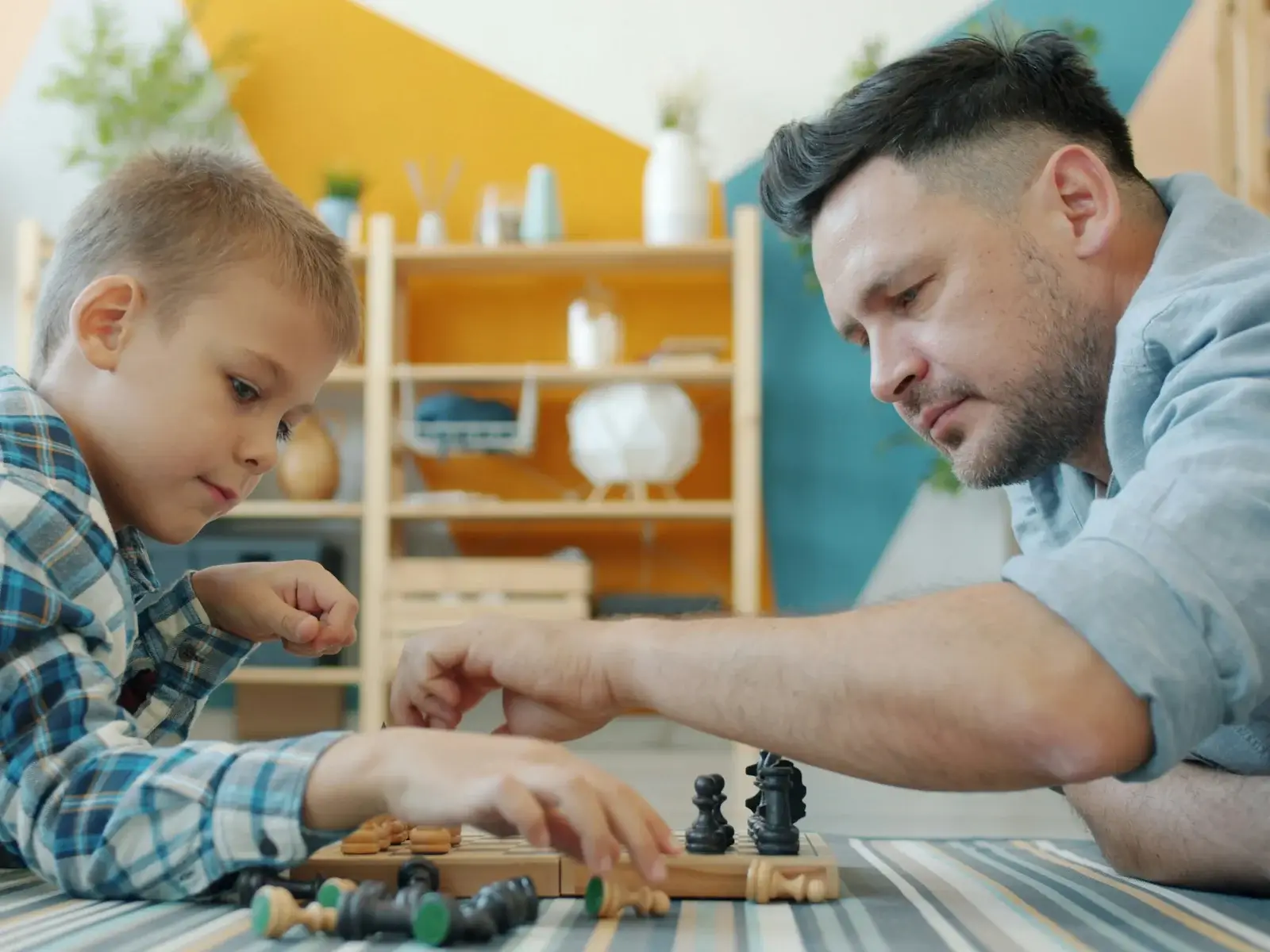
With only 24 hours in a day, it can be difficult to complete everything on our plates and still feel satisfied with the free time we have left. From work and parenting to cleaning and grocery shopping, finding time to enjoy leisure activities—whether that means reading, exercising, or relaxing with a game of FreeCell—can be challenging.
At Solitaired, we understand the importance of leisure time and how it can help people feel refreshed and ready to tackle the rest of the day. Unfortunately, life gets busy, and finding the right balance can be difficult for many people.
To learn more about this struggle, we analyzed the American Time Use Survey from the U.S. Bureau of Labor Statistics and calculated the average amount of time people across the country have for leisure activities. In addition to this national average, we compared leisure time by state in 2020 and 2024 to determine where Americans are gaining and losing free time. Read on to learn more about our findings.
Key Takeaways
- Overall, only 9 states saw an increase in free time in recent years, while the rest reported a decrease.
- Utah and New York residents have gained the most free time since 2020.
- Americans have about 9% less free time than in 2020, roughly 27 fewer minutes a day, now under 5 hours.
- Millennials have the least free time of any generation, under 4 hours a day.
- Gen Z lost the most, with free time down about 14% since 2020 as their obligations rose about 10%.
- Even as free time shrank, socializing went up: Americans socialize slightly more than they did in 2020.
States with the Most Free Time
Overall, we were surprised to learn that only 9 states actually gained free time between 2020 and 2024. Leading the way with the biggest gain is Utah where residents earned 17% more free time on average. This is followed by New York at 12% and North Carolina at 9% claiming second and third place, respectively. Other states who gained free time in recent years include Indiana (7%), Mississippi (5%), South Carolina (4%), Missouri (2%), Arizona (1%), and Iowa (0.2%).
On the other end of the scale, Washington residents saw the steepest decline of anyone, down 28%. Coming in second place is Massachusetts, where residents lost 23% of their free time on average. This is followed by Florida (down 21%), Idaho (down 21%), and Tennessee (down 20%). Overall, we discovered Americans have about 9% less free time than in 2020, with roughly 27 fewer minutes a day.
After seeing the picture by state, we looked at how free time breaks down by generation, and the gap is just as wide. Millennials have the least free time of any generation, coming in under 4 hours a day. Gen Z lost the most ground since 2020, with free time down about 14% as their obligations climbed roughly 10%. There's a gender gap layered on top, too, as men still get about 43 more minutes of free time a day than women.
How that time gets spent depends a lot on where you live. We found that Michigan residents play more than twice the national rate of games (about 41 minutes a day), Kansas residents socialize the most, and those in Wisconsin read the most. When zooming out across the map it was relaxing and thinking, along with reading, that ranked as the top two most uniquely popular ways to unwind, claiming 8 and 7 states, respectively.
How Americans Spend Their Leisure Time
After learning who has the most and least free time, we wanted to know how Americans are actually spending the time they have. The short answer is that a lot of it still goes to a screen. Nearly 6 in 10 minutes of free time are spent watching TV, making it by far the biggest slice of the leisure pie. After that, the day fills in with smaller pursuits: socializing at about 32 minutes a day, relaxing and thinking at about 23 minutes, and playing games at about 20 minutes.
We weren't surprised that free time is shrinking. We were surprised by where the rest of it went. You might expect that people with less time would want to pull back and unwind alone, but socializing actually rose about 6% since 2020, and time spent hosting or attending parties jumped about 47%. Playing games grew, too, up about 6%, making it one of the only leisure activities to gain ground. Reading (down 11%) and walking (down 20%) both slipped, though off much smaller bases than TV.
The missing free time didn't simply disappear; it shifted toward obligations. Non-leisure time rose about 4% since 2020, and the details fill in the picture of a busier life. Commute time jumped about 21%, the clearest sign of work creeping back into the day. At home, the load grew as well, with interior cleaning up about 12% and childcare up about 7%. Little by little, those added responsibilities are what squeezed the free time out of the average day.
Take Advantage of Your Leisure Time
As our study shows, leisure time is becoming more and more scarce. Despite this lack of free time, experts say taking part in leisure activities is important for reducing stress and improving your mood. Whether you like to spend your available time away from responsibilities getting active outdoors or lounging inside, we at Solitaired encourage you to make the most of the time you have.
So next time you find yourself with a free moment, try a free, online game to embrace the leisure time. From Spider Solitaire to Addiction, we have a variety of games you can play any time, anywhere to ensure you are taking full advantage of your free time.
Methodology
In this study, we set out to learn where Americans' free time is expanding and contracting and how they spend it. To do this, we analyzed American Time Use Survey data from 2020 and 2024, and compared the average daily time spent on non-leisure obligations and on leisure activities across the two years. In addition to viewing leisure activities as a whole, we also grouped similar activities into four categories including: socializing and relaxing, hobbies, sports and exercise, and attending sporting or recreational events.
We then analyzed time spent nationally as well as by state, generation, and gender. Sleep was excluded from both the leisure and non-leisure totals to focus on how Americans spent their time while awake. In addition to calculating leisure time, we also compared the time each state spent by activity on average and compared it to the national average to learn which leisure activities are most uniquely popular by state.
About the author